
Egala’s broader digitalisation and AI story
From our own TMS and automated processes to national discussions about AI literacy, Egala believes that successful digital transformation starts with combining technology with people.
Digitalisation is transforming the transport industry. Artificial intelligence, automation and real-time data are changing how trucks are planned, how information is exchanged and how decisions are made.
At Egala, we are not simply observing this transformation. We are actively building it into the way we work – and increasingly contributing our experience to the wider conversation about how technology should develop.
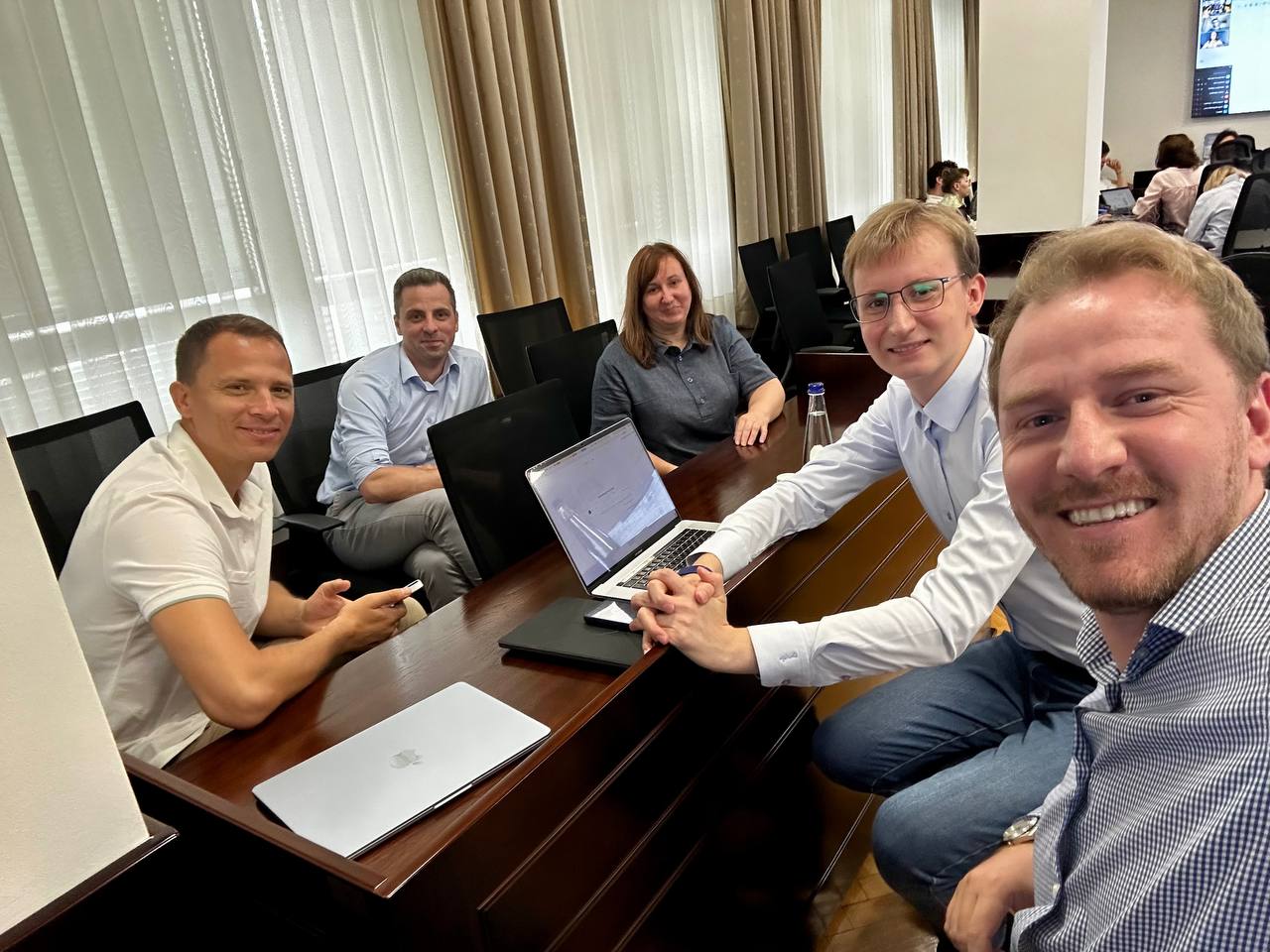
Recently, Stanley Gaivas represented Egala Moldova at national-level consultations on Moldova’s future approach to digital government and artificial intelligence.
The session brought together around 30 representatives from government, business, academia and civil society to develop concrete commitments that may contribute to Moldova’s Open Government Action Plan 2026–2028.
Stanley participated in the Education & AI Literacy working group, focusing on a question that is becoming increasingly important for businesses, governments and society: how do we make sure people have the knowledge and skills needed to use AI effectively and responsibly?
The group developed a commitment focused on responsible AI use, practical education and AI literacy. Among more than 20 commitments discussed during the consultation, their proposal was ranked in the Top 5.
For Egala, participating in this discussion is closely connected to our own approach to technology.
As a European trucking company operating a large and growing fleet across multiple countries, digitalisation is essential to managing complexity at scale.
Over the years, Egala has developed its own technology ecosystem around a proprietary Trucking Management System (TMS).
Rather than relying solely on standard solutions, we have built a system around the way our organisation and operations actually work. It connects information from across our trucking operations and provides a foundation for further automation, data analysis and AI-supported solutions.
Today, technology supports many areas of our daily operations, including real-time fleet visibility, transport planning, automated workflows, customer integrations and communication between drivers, dispatchers and customers.
Our systems can also integrate with customers’ existing TMS platforms and communication channels, helping information move automatically between different parts of the transport chain.
The objective is simple: less manual work, better information and faster, more informed decisions.
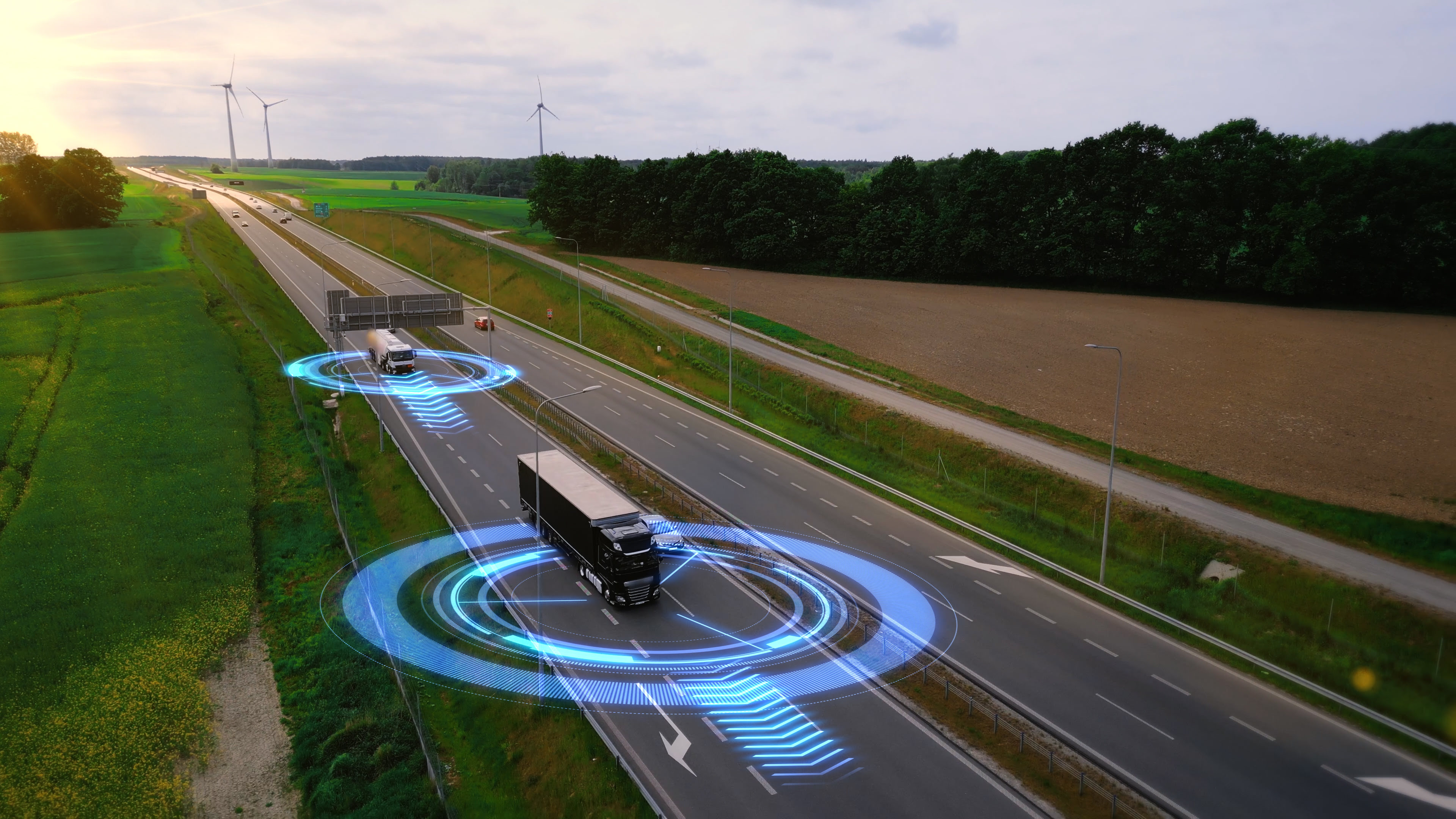
AI represents the next stage of this development. For AI to create meaningful value in transport, however, it needs something fundamental: reliable data.
Having our own digital infrastructure gives Egala a strong foundation for exploring AI-supported applications. Consistent operational data can be used to identify patterns, support predictions and improve decision-making in areas such as planning, route efficiency, fuel consumption and fleet management.
But for us, introducing AI is not about automating everything simply because the technology exists.
It is about identifying where technology can genuinely make trucking smarter, more predictable and more efficient.
Read more in our article: The Impact of Artificial Intelligence on Road Transport
Egala Moldova's participation in the national consultations is an opportunity to bring the perspective of a highly digital, international transport company into a much broader discussion. It also comes at an important moment for Moldova as the country continues its digital transformation and European integration.
By sharing practical business experience in discussions around AI, education and digital skills, we can contribute to building an environment in which technological progress is matched by the knowledge needed to use it effectively.
Because the future of digitalisation will not be determined by technology alone. It will be determined by how well we combine technology, data and human expertise – and how effectively we prepare people to work with all three.
.png)

